Sight Fishing Redfish in St. Augustine: How It Works


 Published: Nov 26, 2026
 8 min read
Summary
A practical look at how sight fishing for redfish works in very shallow water around St. Augustine, FL. It covers spotting fish, quiet boat positioning and casting, for anglers who want to see the fish before the bite.
What Sight Fishing for Redfish Really Means
Most inshore fishing is a guessing game. You pick a spot, throw bait or a lure into water you cannot see through, and wait to find out whether anything is down there. Sight fishing for redfish flips that around. You find the fish first, watch what it is doing, and then put a cast in front of it.
That difference changes the whole day. Instead of covering water with blind casts, you are hunting. Every cast has a target, and you can see how the fish reacts when the fly or lure lands. It is closer to stalking than to waiting, and it asks for patience, a quiet approach and a steady hand.
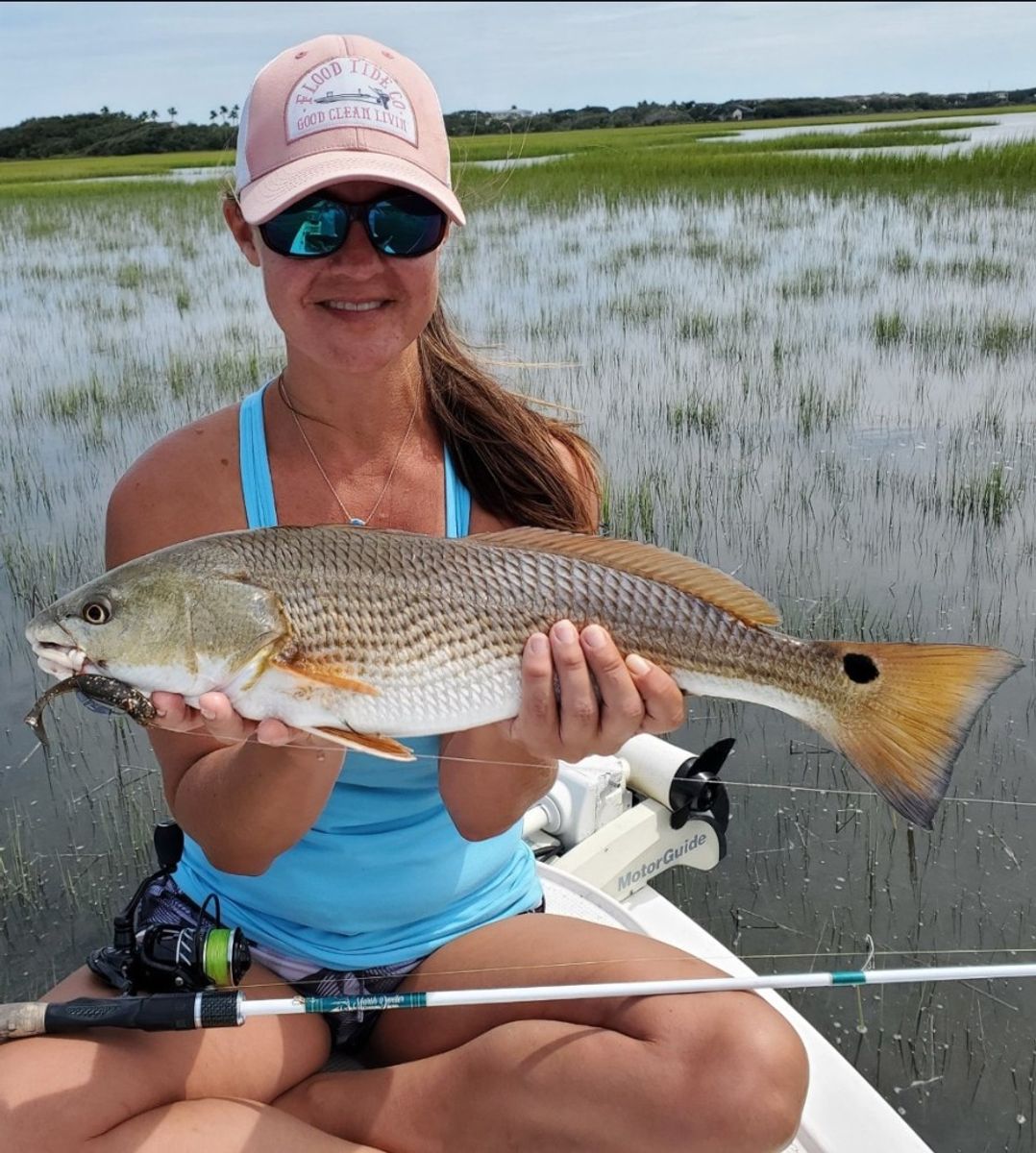
The style works with both spin and fly gear. Captain Dan Kerr of Marsh Dweller Fishing specializes in exactly this kind of fishing around St. Augustine, FL, working with spin and fly rods for redfish in super shallow water.
Why St. Augustine's Flats Suit This Style
Sight fishing only works where you can actually see the fish, and that means shallow water. St. Augustine has plenty of it. The area is made up of creeks, flood tides and skinny flats, and that is the kind of water where redfish push up shallow and can be spotted from the boat.
Redfish in shallow water give themselves away in ways that deep-water fish never do. A tail breaking the surface, a wake pushing across the flat, a dark shape moving over lighter bottom, a patch of stirred-up mud. None of these are obvious to a newcomer at first, but once you know what to look for, the flats start to feel busy rather than empty.
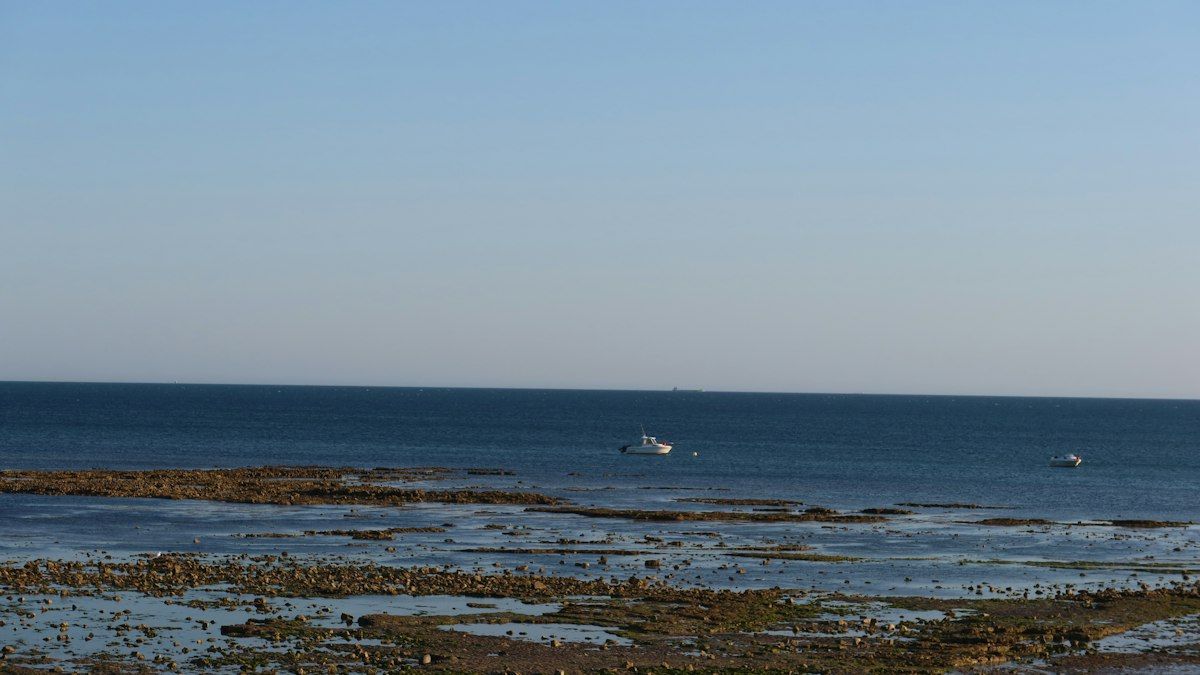
Local knowledge matters here as well. Captain Dan has fished these waters since 1998, and that time on the water tells him which flats hold fish on a given tide and where to set up. If you are searching for flats fishing in Florida that rewards skill and attention, this corner of the state fits the bill.
Spotting the Fish
Spotting is the skill that most separates a good sight-fishing day from a frustrating one. Your eyes have to learn to pick out fish that are built to blend in. A few things help.
- Look through the water, not at it. Glare on the surface hides everything, so the angle of the sun and where you stand on the boat both matter.
- Watch for movement first. Shapes are hard to spot, but a wake, a flicker or a tail breaking the surface stands out against still water.
- Scan in a pattern. Check the near water, then the middle, then the far edge, and repeat while the boat moves.
- Be willing to wait. Fish move in and out of view, and the one you missed a minute ago may swim back across the same patch.
This is where a guide earns his place on the boat. Captain Dan is usually looking from a higher vantage point and already knows what a feeding redfish looks like on these flats. He can call out the fish, give you the direction and distance, and help you learn to see them yourself. Spotting is a skill you build, and an experienced guide beside you speeds that up.
Positioning the Boat Quietly
Redfish in very shallow water are easily spooked. A heavy engine, a slapping hull or a dropped object can send a fish bolting before you have even raised the rod. That is why this style depends so much on how the boat is moved.
Captain Dan push-poles the boat into position. Instead of running an engine over the flat, he stands and poles along, moving the boat slowly and almost silently through the shallows. The approach keeps noise down and puts you within casting range of fish that never knew you were there.
The boat itself is part of the picture. Dan fishes from a Beavertail flats boat that carries up to 2 guests. A flats boat sits in very little water, which is what lets you reach the places redfish like to feed. With two anglers aboard, there is also room to move and cast without crowding each other.
Good positioning is a team effort. Dan sets up the angle so the wind, the light and the fish's direction all work in your favor, and you hold still and wait for the call. Moving around at the wrong moment can undo a careful approach, so staying calm and following his lead pays off.
Making the Cast Count
When a fish is in sight and the boat is in place, the cast is what you have been waiting for. Accuracy matters more than distance. You want the fly or lure to land where the fish will see it, close enough to catch its attention but not so close that it splashes down on its head.
A few habits help.
- Cast ahead of the fish and in its path, not at the fish itself.
- Land the presentation softly. A heavy splash in shallow water can end the encounter.
- Keep your eyes on the fish, not just the rod tip. Its reaction tells you whether to hold, twitch or keep the presentation moving.
- Stay ready for a quick change. A fish that turns away needs a fast, calm second cast rather than a rushed one.
Whether you are throwing spin gear or a fly rod, the same principles apply. If you are newer to this, a patient guide makes a real difference. Captain Dan can talk you through the cast, tell you when and where to place it, and help you correct small mistakes as they happen.
What a Day on the Flats Looks Like
A sight-fishing trip with Marsh Dweller Fishing is a slower and more visual kind of day than many people expect. Much of it is spent looking, moving and waiting for the right shot. When the moment comes, it comes quickly, and you go from scanning the water to making a cast to feeling a hard-fighting redfish take.
That build-up is a big part of the appeal. You see the fish, you make the cast, and you watch the fish respond. Even a fish that turns away teaches you something about how redfish behave in shallow water.
St. Augustine is also a fishery with variety. Captain Dan targets a range of inshore species around the area, so the redfish hunt can sit alongside other possibilities like trout, snook and tarpon. The scenery along the creeks and flats adds to the day as well, with quiet water and open marsh around you while you search.
If you want to try redfish in shallow water and see how the fishing really works, a guide who specializes in sight fishing gives you the best start. Getting Captain Dan's eyes, local knowledge and quiet push-pole approach on your side turns a hard style of fishing into one you can enjoy from your first trip.