%2Ffit-in%2F250x250%2Fguide_websites%2F1767%2Fimages%2Fmarshdweller.png&w=1920&q=100)
/users/175fe1ed-0d0c-44de-be92-9f2a27887a77/ratecard/131102247_228149098745606_5609772798431807556_n-mf6qeofn.jpg)
%2F300x300%2Fusers%2F175fe1ed-0d0c-44de-be92-9f2a27887a77%2Fratecard%2F131102247_228149098745606_5609772798431807556_n-mf6qeofn.jpg&w=256&q=75)
%2F300x300%2Fusers%2F175fe1ed-0d0c-44de-be92-9f2a27887a77%2Fimages%2Fangler-24-inch-fish-st-2718.png&w=256&q=75)
%2F300x300%2Fusers%2F175fe1ed-0d0c-44de-be92-9f2a27887a77%2Fimages%2Fredfish-st-augustine-fishing-2522.jpg&w=256&q=75)
%2F300x300%2Fusers%2F175fe1ed-0d0c-44de-be92-9f2a27887a77%2Fimages%2Fredfish-catch-st-augustine-2538.jpg&w=256&q=75)
%2F300x300%2Fusers%2F175fe1ed-0d0c-44de-be92-9f2a27887a77%2Fimages%2Fredfish-fishing-florida-2438.jpg&w=256&q=75)
%2F300x300%2Fusers%2F175fe1ed-0d0c-44de-be92-9f2a27887a77%2Fimages%2Fredfish-caught-st-augustine-2480.jpg&w=256&q=75)
%2F300x300%2Fusers%2F175fe1ed-0d0c-44de-be92-9f2a27887a77%2Fimages%2Fredfish-caught-st-augustine-2495.jpg&w=256&q=75)
%2F300x300%2Fusers%2F175fe1ed-0d0c-44de-be92-9f2a27887a77%2Fimages%2Fdiscovering-the-charm-of-st-2369.jpg&w=256&q=75)
%2F300x300%2Fusers%2F175fe1ed-0d0c-44de-be92-9f2a27887a77%2Fimages%2Fhuge-redfish-st-augustine-2642.jpg&w=256&q=75)
%2F300x300%2Fusers%2F175fe1ed-0d0c-44de-be92-9f2a27887a77%2Fimages%2Fsuccessful-fishing-trip-florida-2557.jpg&w=256&q=75)
%2F300x300%2Fusers%2F175fe1ed-0d0c-44de-be92-9f2a27887a77%2Fimages%2Fredfish-caught-st-augustine-2614.jpg&w=256&q=75)
Scenic St Augustine Flats Fishing Adventure
 St. Augustine, FL
What you will be catching:
 Black Drum
 Redfish
 Sea Trout
 Sheepshead
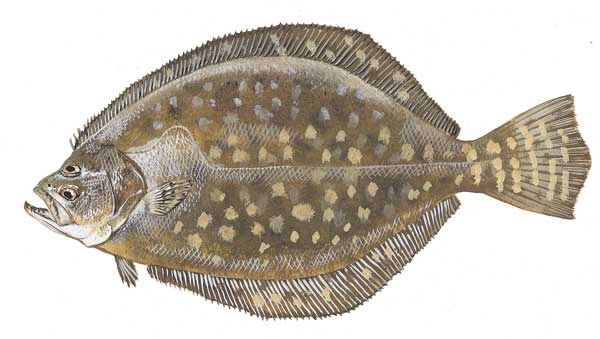 Southern Flounder
- 4-hour shallow water charter targeting redfish near St Augustine
- Captain provides gear, bait, licenses and sight fishing instruction
- Accommodates up to four guests with seasonal trophy opportunities
Trip Pricing and Availabilities:
St Augustine Flats Scenic Fishing
Picture this: you're poling through crystal-clear water so shallow you can see your shadow on the sand below, scanning for the telltale copper flash of redfish cruising the grass beds. That's what awaits you on our St Augustine flats fishing adventure. This isn't your typical deep-sea charter where you're dropping lines into the abyss and hoping for the best. Out here on the flats, it's all about sight fishing – spotting your target, making the perfect cast, and watching the whole thing unfold right in front of you. Our 4-hour trips are designed for folks who want both action and scenery, whether you're a first-timer learning the ropes or an experienced angler looking to dial in your flats technique. With room for up to two guests, you'll get personalized attention from your captain while exploring some of the most beautiful and productive shallow water fishing grounds Florida has to offer.
What to Expect on the Water
Your day starts at one of St Augustine's launch points, where you'll meet your licensed captain and get a quick rundown of the game plan. We'll head out to the flats in a shallow-draft boat that's built for this kind of fishing – think poling platform, quiet trolling motor, and all the gear you need to make it happen. The beauty of flats fishing is that you're working in water that's typically 1-4 feet deep, which means you can actually see the fish before you cast to them. Your captain will be your eyes and ears, spotting fish and directing your casts while explaining what to look for. The St Augustine area offers incredible variety when it comes to flats terrain – from oyster bars and grass beds to sandy potholes and mangrove shorelines. Each spot holds different species and requires slightly different approaches, so you'll get a real education in reading water and understanding fish behavior. Don't worry about bringing anything except yourself and maybe a cooler with drinks – we've got all the bait, tackle, and fishing licenses covered.
Techniques & Terrain
Flats fishing is all about stealth and precision. We'll be using light tackle – typically spinning reels spooled with 15-20 pound braid and fluorocarbon leaders that won't spook fish in the clear water. Live bait like shrimp and pilchards are the go-to options, though we'll also throw artificials like soft plastics and spoons when the situation calls for it. The key is staying quiet and making accurate casts, often to fish you can actually see. Your captain will use a push pole to move the boat silently through skinny water, positioning you for the best shots at cruising fish. The St Augustine flats are famous for their grass beds mixed with sandy areas and oyster bars – this combination creates perfect ambush spots for predator fish. During higher tides, we'll work the grass flats where redfish love to tail and root around for crabs. When the water drops, we'll focus on deeper potholes and channel edges where fish stack up waiting for the tide to return. The beauty of this area is that there's always somewhere productive to fish, regardless of conditions.
Top Catches This Season
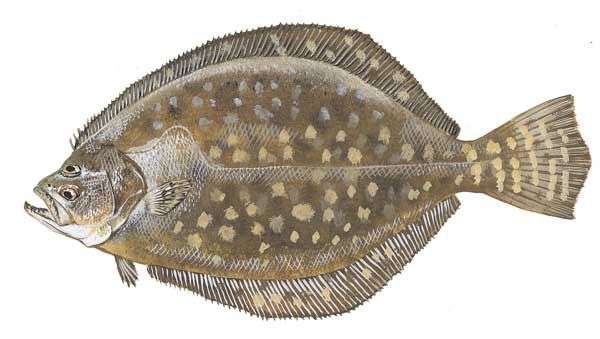
Southern Flounder are the masters of disguise on these flats. These flatfish bury themselves in the sand with just their eyes showing, waiting to ambush unsuspecting baitfish. They typically run 2-5 pounds in our waters, with some bruisers pushing double digits during the cooler months. Fall and winter are prime time for flounder, when they're fattening up before their offshore spawning run. What makes them exciting to target is the challenge – you're often casting to structure or drop-offs where you think they might be holding, rather than sight fishing like with other species.
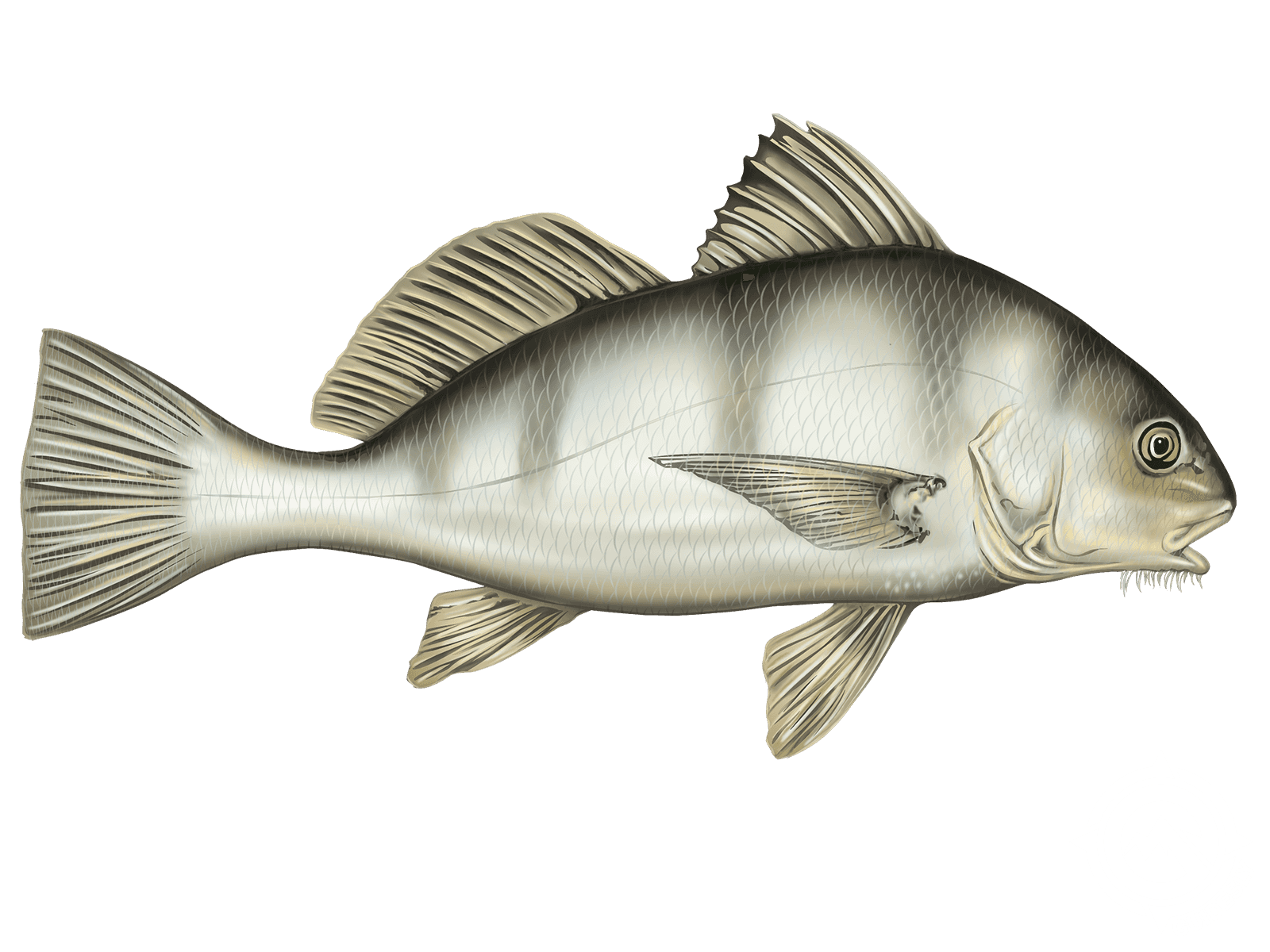
Black Drum are the bulldozers of the flats. These copper-colored bruisers can range from schoolie-sized 2-pounders to absolute monsters exceeding 40 pounds. They're year-round residents, but spring brings the best action when mature fish move shallow to spawn. You'll often hear them before you see them – they make distinctive drumming sounds that carry through the water and even into the boat. They're notorious for their hard-pulling fights and tendency to head straight for the nearest oyster bar once hooked.
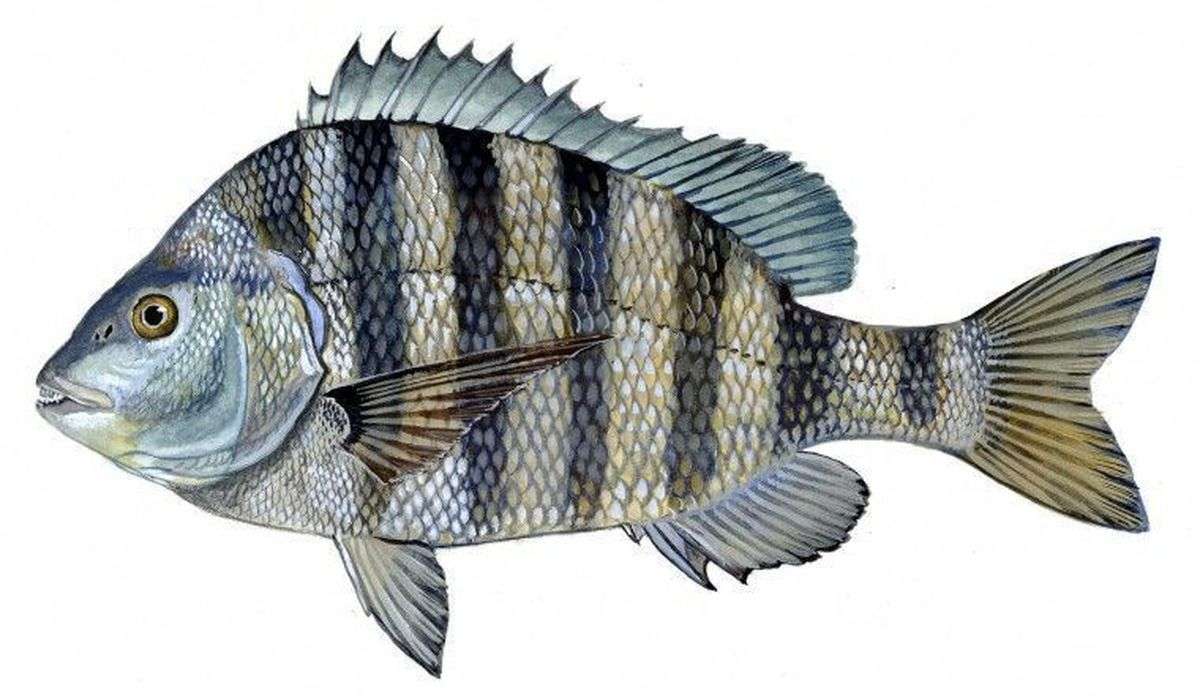
Sheepshead are the convict-striped pirates of the flats, known for their incredible bait-stealing abilities and crushing bite. They average 2-4 pounds but can reach double digits around structure. These fish are most active during cooler months, particularly around oyster bars, docks, and bridges. What makes them special is their almost supernatural ability to steal bait without getting hooked – landing one is a real accomplishment that proves your hook-setting reflexes are on point.
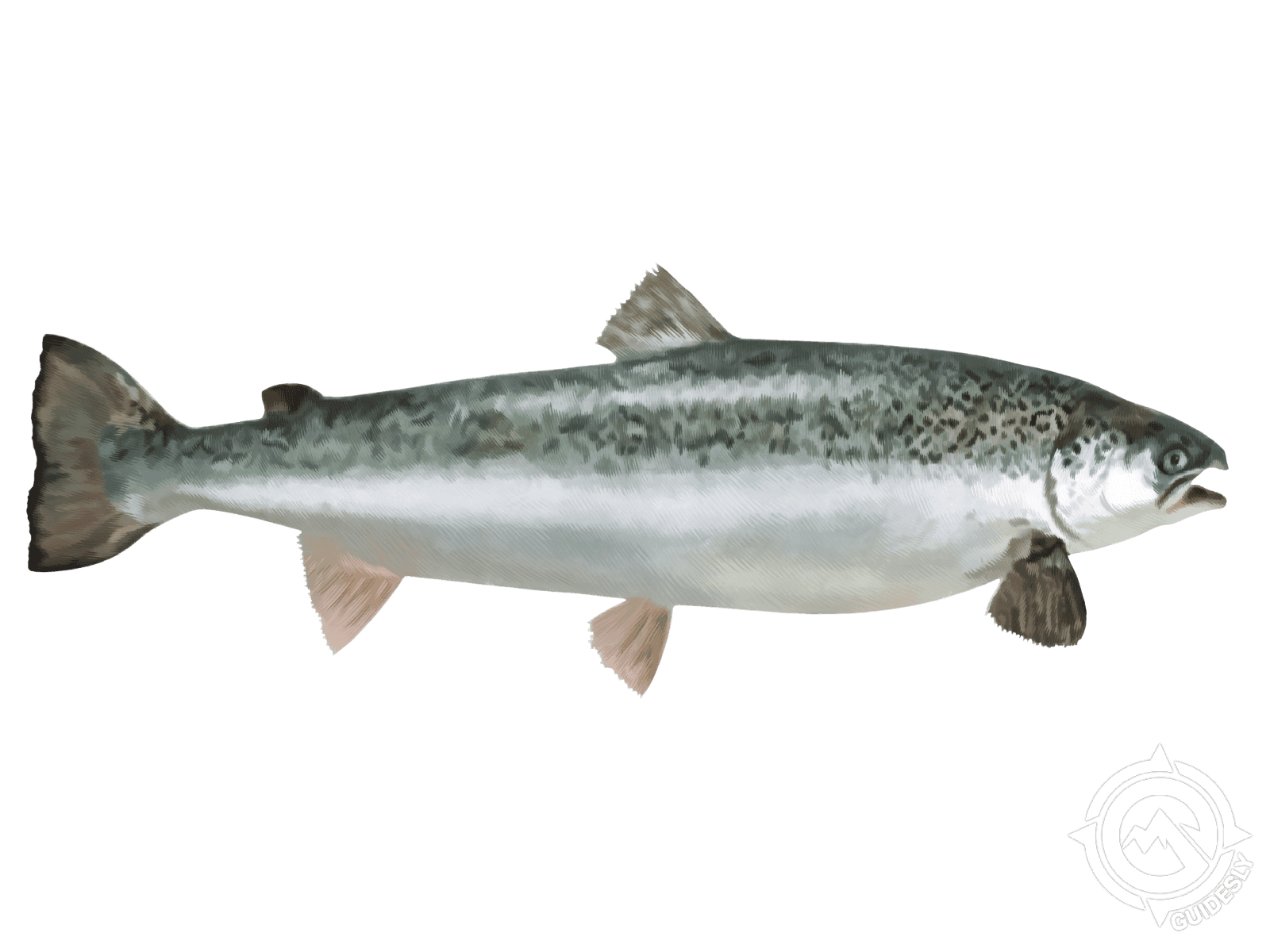
Sea Trout are the most cooperative residents of these flats, eagerly taking both live and artificial baits. They typically run 1-3 pounds with occasional "gator" trout stretching over 5 pounds. Spring and fall offer the most consistent action, though you can catch them year-round. They're perfect for beginners because they're aggressive feeders and put up a respectable fight without requiring surgical precision in presentation.
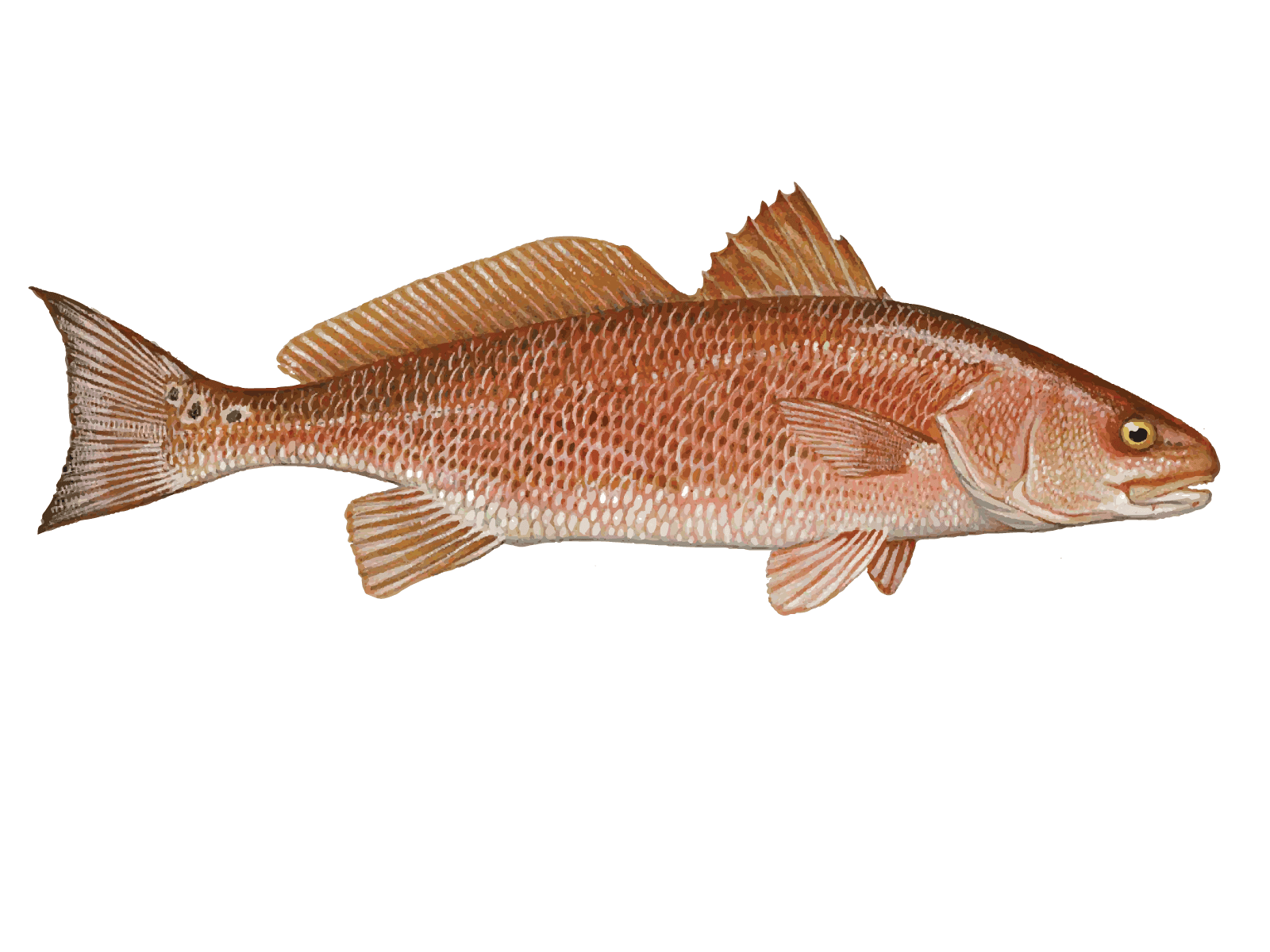
Redfish are the undisputed kings of the flats experience. These bronze-backed beauties range from slot-sized 18-27 inchers up to bull reds exceeding 30 pounds. They're year-round residents with peak activity during spring and fall. What sets them apart is their willingness to feed in extremely shallow water – watching a red's back and tail break the surface as it roots around for crabs is pure magic. They're also notorious for their powerful runs and ability to use their broad sides to leverage against the angler.
Time to Book Your Spot
If you're looking for a fishing experience that combines skill, scenery, and some of the best shallow water action Florida has to offer, this St Augustine flats trip delivers on all fronts. You'll come away with a deeper understanding
Learn more about the species
Black Drum
Black Drum are the heavyweights of our inshore waters, typically running 5-30 pounds with giants reaching 90+ pounds around St Augustine's oyster beds and flats. These powerful fish get their name from the drumming sounds they make - you'll actually hear schools before you see them. They're bottom feeders with crushing jaws built for crabs and oysters, preferring muddy flats and structure in 2-15 feet of water. Spring brings the best fishing when they school up for spawning in March and April. Guests love the strong, steady fight they put up, though smaller fish under 15 pounds taste much better than the big bruisers. The key here is using fresh blue crab or fiddler crab on the bottom - they can't resist it. Keep your bait right on the mud and be patient; these fish take their time but the wait is worth it.
Redfish
Redfish are the stars of our St Augustine flats, easily spotted by their copper-red color and distinctive black eyespot near the tail. Most slot fish run 18-27 inches and 3-8 pounds, though we see plenty of oversized bulls pushing 30+ pounds in deeper water. They love super shallow flats, often feeding in just 1-3 feet where you can see their backs and tails. Year-round fishing is solid, but fall and spring offer the most consistent action when they school up and feed aggressively. What guests love most is sight fishing for them - watching a red cruise the shallows and eat your bait is pure magic. They fight hard with powerful runs and have great table fare when kept in the slot. My key tip for our waters is watching for wakes and nervous water on calm mornings - reds push a lot of water when they're feeding and give away their location easily.
Sea Trout
Speckled Trout are our bread-and-butter inshore fish, typically running 14-24 inches and 1-5 pounds throughout St Augustine's grass flats and shallow bays. These spotted beauties prefer water 2-8 feet deep with good grass coverage where they ambush shrimp and small baitfish. They're most active during cooler months and around dawn and dusk when they move into the shallows to feed. What makes them popular is their willingness to hit both live bait and artificials, plus they're fantastic eating with delicate, flaky white meat. The fish are structure-oriented but roam the flats hunting, making them perfect for our sight fishing approach. My best local tip is working the grass edges with a popping cork and live shrimp - the sound draws them in from a distance. During winter, look for them schooled up in slightly deeper holes where they wait out cold snaps.
Sheepshead
Sheepshead are the "convict fish" of our waters with their distinctive black and gray stripes, and they're famous for having human-like teeth perfect for crushing barnacles and crabs. Most run 1-8 pounds and 14-20 inches, though we occasionally hook 20-pounders around St Augustine's bridges and docks. These fish live around any structure - pilings, jetties, rocks - where they feed on barnacles and small crabs. Winter through early spring is prime time when they're most active and feeding heavily before spawning. Anglers love them because they're excellent table fare with sweet, white meat, but they're notorious bait thieves. My go-to method is using fiddler crabs or shrimp on a light jig head, getting as close to structure as possible. Set the hook hard the moment you feel them - they'll steal your bait in a heartbeat if you hesitate.
Southern Flounder
Southern Flounder are fascinating flatfish that camouflage perfectly on sandy and muddy bottoms throughout our St Augustine waters. These ambush predators typically run 15-18 inches and around 5 pounds, though we see some pushing 20+ pounds during cooler months. They're masters of disguise - both eyes sit on their left side, and they can change color to match the bottom. Fall through early spring offers the best action when they're feeding heavily before moving offshore. What makes them special is their delicate white meat - some of the best table fare you'll find. My local trick: drift slowly over grass flats adjacent to deeper channels, dragging live shrimp or mullet right on the bottom. When you feel that subtle tap, wait a second before setting the hook - they like to mouth the bait first.
About the Beavertail
%2F%2Fusers%2F175fe1ed-0d0c-44de-be92-9f2a27887a77%2Fboat_picture%2Fbeavertailflatsboat.jpg&w=1920&q=75)
Vehicle Guest Capacity: 2
Manufacturer Name: Yamaha
Maximum Cruising Speed: 33
Number of Engines: 1
Horsepower per Engine: 70